Understanding Personality Disorders and Finding Compassionate Treatment with Interpersonal Psychiatry
Personality shapes how we think, feel, relate to others, respond to challenges, and experience the world around us. It influences our relationships, decision-making, emotional responses, and sense of identity. Most people develop patterns of thinking and behavior that help them navigate life with relative flexibility, even under stress or adversity.
For some individuals, however, long-standing patterns of thinking, feeling, and relating to others can become deeply distressing and difficult to manage. These patterns may create challenges in relationships, work, emotional regulation, self-image, and overall quality of life.
When these patterns become persistent and significantly interfere with daily functioning, they may be associated with a personality disorder.
Personality disorders are among the most misunderstood mental health conditions. Unfortunately, stigma and misinformation often prevent individuals from seeking the support they deserve. Many people hear the term “personality disorder” and immediately assume something negative or permanent. In reality, personality disorders are treatable mental health conditions, and with compassionate care, individuals can develop healthier coping strategies, improve relationships, and experience meaningful emotional growth.
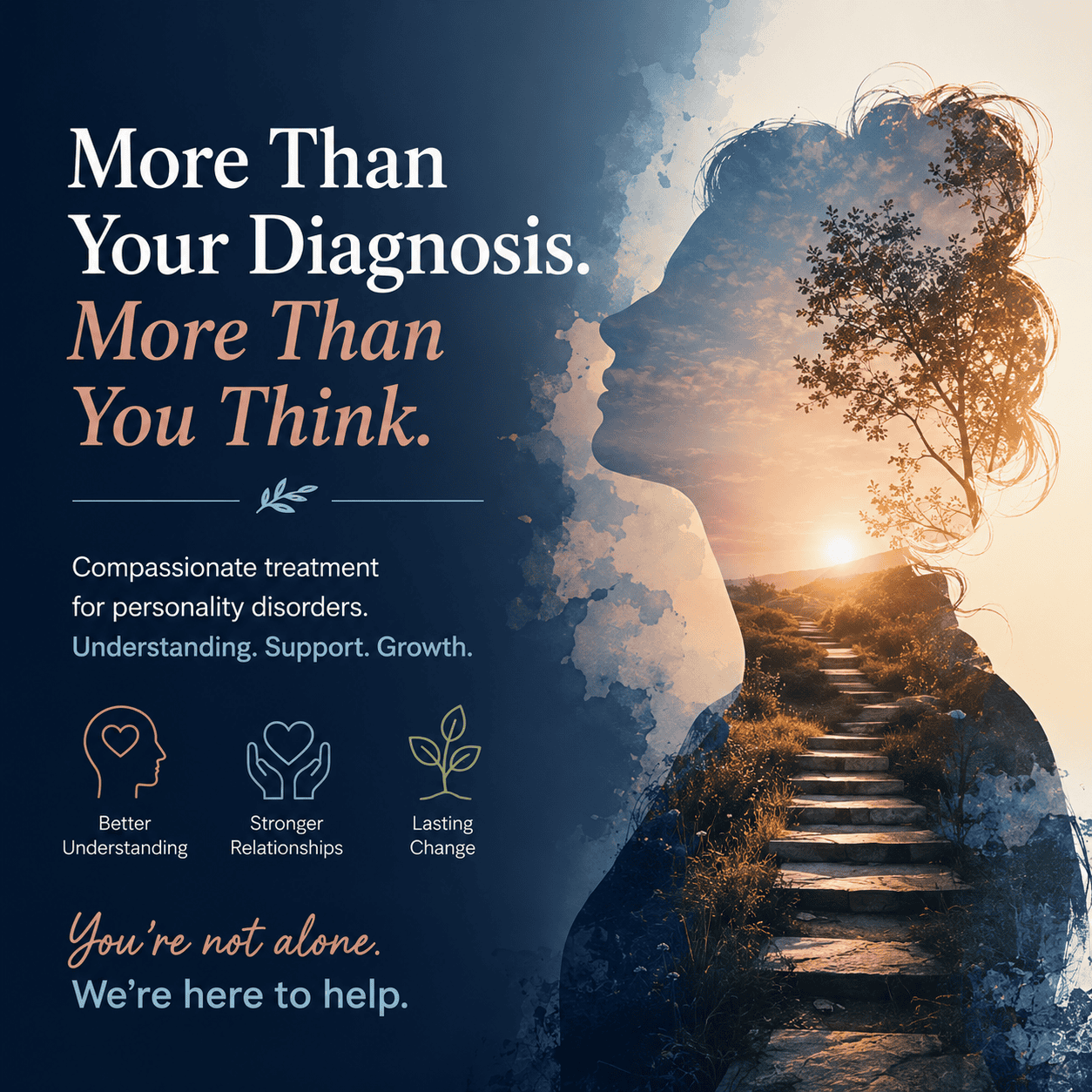
At Interpersonal Psychiatry, treatment focuses on understanding the whole person—not defining someone by a diagnosis. Care is personalized, respectful, and centered around helping individuals build greater emotional stability, self-awareness, and overall well-being.
If you or someone you care about is struggling with emotional regulation, relationship difficulties, identity concerns, or other challenges related to personality patterns, this guide will help explain personality disorders, how they affect mental health, and how treatment can support healing and long-term growth.
To learn more about treatment options, visit: Personality Disorder
What Is a Personality Disorder?
Personality disorders involve enduring patterns of thinking, feeling, and behaving that differ significantly from cultural expectations and create challenges in important areas of life.
These patterns often affect:
- Emotional regulation
- Relationships
- Self-image
- Communication
- Decision-making
- Coping with stress
Unlike temporary emotional struggles, personality-related patterns tend to be long-standing and deeply ingrained. Many individuals have experienced these patterns for years before seeking treatment.
According to the American Psychiatric Association, personality disorders involve enduring patterns that cause significant distress or impairment in social, occupational, or other important areas of functioning.
The key point is that personality disorders are not character flaws.
They are mental health conditions that can be understood, treated, and managed through appropriate psychiatric care and therapeutic support.
Why Personality Disorders Are Often Misunderstood
Few mental health diagnoses carry as much misunderstanding as personality disorders.
Many people mistakenly believe that individuals with personality disorders simply need to “try harder” or “change their attitude.” Others assume that personality traits are fixed and cannot improve.
Neither of these beliefs is accurate.
The patterns associated with personality disorders often develop through a complex interaction of:
- Genetics
- Brain development
- Early life experiences
- Trauma
- Family dynamics
- Environmental influences
These patterns become deeply established over time, making them difficult to change without support.
The good news is that research consistently shows that treatment can significantly improve emotional functioning, relationships, and quality of life.
Common Signs That Someone May Benefit From Treatment
Every personality disorder presents differently, and only a qualified mental health professional can make an accurate diagnosis.
However, individuals often seek support when they experience challenges such as:
- Intense emotional reactions
- Difficulty maintaining relationships
- Chronic feelings of emptiness
- Fear of abandonment
- Difficulty trusting others
- Impulsive behavior
- Persistent interpersonal conflict
- Extreme sensitivity to rejection
- Identity confusion
- Emotional instability
Many individuals recognize that they repeatedly encounter similar difficulties in relationships, work environments, or personal situations but struggle to understand why these patterns continue.
Treatment can provide clarity and help individuals develop healthier ways of navigating life.
The Emotional Impact of Personality Disorders
Living with a personality disorder can be emotionally exhausting.
Many individuals feel misunderstood, judged, or isolated. They may experience intense emotional highs and lows, difficulty trusting others, or ongoing conflict within important relationships.
Some people find themselves constantly worrying about rejection or abandonment. Others struggle with chronic feelings of emptiness, loneliness, or self-criticism.
These emotional experiences can create significant stress and may contribute to other mental health concerns such as:
- Anxiety
- Depression
- Substance use disorders
- Self-esteem difficulties
- Relationship problems
- Occupational challenges
Without support, these difficulties can become increasingly overwhelming.
Personality Disorders and Relationships
Relationships are often one of the areas most affected by personality disorders.
Many individuals deeply desire connection but struggle with patterns that make relationships feel difficult or unstable.
Common challenges may include:
- Fear of rejection
- Emotional reactivity
- Difficulty communicating needs
- Trust issues
- Boundary concerns
- Conflict management difficulties
These challenges can affect:
- Romantic relationships
- Friendships
- Family relationships
- Workplace interactions
At Interpersonal Psychiatry, treatment focuses on helping individuals better understand relationship patterns and develop healthier ways of connecting with others.
Personality Disorders and Emotional Regulation
One of the most significant challenges associated with many personality disorders is emotional regulation.
Some individuals experience emotions with extraordinary intensity. Small disappointments may feel devastating. Criticism may feel overwhelming. Stressful situations may trigger powerful emotional reactions that seem difficult to control.
This is not a matter of weakness or lack of willpower.
Research suggests that certain personality disorders are associated with differences in emotional processing and regulation systems within the brain.
Treatment helps individuals develop practical skills for managing emotions more effectively while reducing distress.
The Role of Trauma and Early Experiences
Many people with personality disorders have experienced difficult or traumatic life experiences.
This does not mean trauma causes every personality disorder, but early experiences often play an important role in shaping emotional development and coping strategies.
Examples may include:
- Childhood neglect
- Emotional abuse
- Physical abuse
- Unstable caregiving environments
- Chronic invalidation
- Significant loss or abandonment
Over time, individuals develop strategies to protect themselves emotionally. While these strategies may have been adaptive at one point, they can later create challenges in adult relationships and daily functioning.
Compassionate treatment helps individuals understand these patterns without judgment.
Why Accurate Diagnosis Matters
Personality disorders are frequently misunderstood or misdiagnosed.
Symptoms may overlap with:
- Anxiety disorders
- Depression
- Bipolar disorder
- PTSD
- ADHD
A comprehensive psychiatric evaluation helps identify the factors contributing to emotional distress and ensures that treatment addresses the full picture.
At Interpersonal Psychiatry, evaluations focus on understanding each individual’s unique experiences, symptoms, and goals.
This personalized approach helps create a treatment plan that truly fits the person’s needs.
Therapy as a Foundation for Treatment
Therapy is often one of the most effective components of personality disorder treatment.
The goal is not to change who someone is.
Instead, therapy helps individuals:
- Understand emotional patterns
- Improve relationships
- Build coping skills
- Increase self-awareness
- Reduce emotional distress
- Develop healthier behaviors
Therapeutic approaches may include:
- Cognitive Behavioral Therapy (CBT)
- Dialectical Behavior Therapy (DBT)
- Psychodynamic Therapy
- Trauma-informed therapy
- Interpersonal therapy
Each person’s treatment plan is tailored to their specific needs and goals.
Dialectical Behavior Therapy (DBT) and Personality Disorders
DBT is one of the most widely researched and effective therapies for certain personality disorders, particularly those involving emotional instability.
DBT focuses on helping individuals develop skills in:
- Emotional regulation
- Distress tolerance
- Mindfulness
- Interpersonal effectiveness
These skills help individuals manage difficult emotions without becoming overwhelmed and improve relationship functioning over time.
Many people find DBT empowering because it provides practical tools they can apply immediately in daily life.
Medication Management and Personality Disorders
While medication does not directly “cure” personality disorders, it can help manage symptoms that frequently occur alongside them.
Medication may be helpful for:
- Anxiety
- Depression
- Mood instability
- Sleep difficulties
- Impulsivity
At Interpersonal Psychiatry, medication management is thoughtful, personalized, and collaborative.
Providers work closely with patients to evaluate options, monitor effectiveness, and adjust treatment as needed.
The goal is always to support emotional stability and overall functioning.
Personality Disorders and Self-Esteem
Many individuals with personality disorders struggle with self-image.
They may experience:
- Harsh self-criticism
- Feelings of inadequacy
- Identity confusion
- Chronic shame
- Fear of failure
These internal struggles often remain hidden from others but can significantly affect emotional well-being.
Therapy helps individuals develop a healthier relationship with themselves and build greater self-compassion over time.
Family Support and Treatment
Family relationships can be both a source of support and a source of stress.
Loved ones often want to help but may not fully understand what the individual is experiencing.
Treatment can help improve communication, strengthen boundaries, and foster healthier family dynamics.
Education and support often benefit not only the individual but the entire family system.
Reducing Stigma Around Personality Disorders
Stigma remains one of the greatest barriers to treatment.
Many people fear being labeled or judged.
The reality is that seeking support demonstrates strength, self-awareness, and a commitment to growth.
Personality disorders are mental health conditions—not personal failures.
Individuals deserve compassion, understanding, and access to effective treatment.
Accessing Personality Disorder Treatment in Kansas
Interpersonal Psychiatry provides compassionate psychiatric care for individuals experiencing personality-related challenges and other mental health concerns.
Patients can receive support through:
Telehealth services are also available, making care more accessible throughout Kansas and Missouri.
What to Expect When Beginning Treatment
Starting treatment can feel intimidating, especially if someone has struggled for years without support.
At Interpersonal Psychiatry, the process is designed to be collaborative and respectful.
Patients can expect:
- Comprehensive psychiatric evaluation
- Personalized treatment planning
- Ongoing support and follow-up
- Therapy and medication options when appropriate
- Compassionate, nonjudgmental care
Treatment is tailored to each individual’s needs, strengths, and goals.
Building a More Stable and Fulfilling Future
Personality disorders can create significant challenges, but they do not define a person’s future.
With appropriate treatment, individuals can:
- Improve emotional regulation
- Strengthen relationships
- Increase self-awareness
- Reduce distress
- Build healthier coping skills
- Improve quality of life
Growth is possible.
Healing is possible.
Meaningful change is possible.
Taking the First Step Toward Support
If personality-related challenges are affecting your emotional health, relationships, or daily functioning, support is available.
Explore treatment options through: Personality Disorder
At Interpersonal Psychiatry, care is centered around understanding the individual behind the symptoms and providing personalized support that encourages growth, stability, and emotional wellness.
Final Thoughts
Personality disorders are often misunderstood, but they are highly treatable conditions that deserve compassionate attention and care.
No one should feel defined by a diagnosis or trapped by patterns that create emotional suffering.
With the right support, individuals can better understand themselves, build healthier relationships, and develop the tools needed to navigate life with greater confidence and stability.
The journey toward healing begins with understanding—and sometimes the most important step is simply reaching out for help.