
Comprehensive Mental Health Treatment Services: A Personalized Path to Healing and Long-Term Wellness
Mental health is not something that can be approached with a one-size-fits-all solution. Every individual carries a unique story, a distinct set of challenges, and a personal path toward healing. At Interpersonal Psychiatry Treatment Services, care is built around that understanding—offering thoughtful, individualized treatment options designed to meet patients exactly where they are in their journey.
Whether someone is experiencing depression that won’t lift, anxiety that interferes with daily life, trauma that continues to resurface, or a condition that has not responded to traditional treatments, the right care can make a meaningful difference. Today’s modern psychiatric care goes beyond basic symptom management. It blends evidence-based therapies, advanced treatment options, and compassionate support to create a comprehensive healing plan.
This guide explores the full scope of mental health treatment services available, what patients can expect, and how individuals across Kansas—including those seeking care in
- Lawrence, KS
- Topeka, KS
- Overland Park, KS
can find the support they need to move forward with confidence.
Understanding Mental Health Treatment as a Continuum of Care
Mental health treatment is not a single appointment or a quick fix—it is a continuum. Depending on symptom severity and individual needs, care can range from outpatient therapy sessions to more structured, intensive treatments.
Organizations like the National Alliance on Mental Illness emphasize that treatment settings vary widely and should be tailored to the individual’s condition, goals, and daily functioning.
At its core, effective treatment involves:
- Accurate diagnosis and assessment
- Personalized care planning
- Ongoing monitoring and adjustments
- A combination of therapy, medication, and advanced interventions when needed
This layered approach ensures that care evolves as the patient progresses.
The Foundation: Psychiatric Evaluation and Diagnosis
Every successful treatment journey begins with a thorough evaluation. This process is not rushed—it is designed to uncover the full picture of a patient’s mental health.
During an evaluation, providers explore:
- Current symptoms and concerns
- Medical and mental health history
- Lifestyle factors and stressors
- Family history
- Previous treatments and responses
Research shows that comprehensive assessments are critical in developing effective, individualized treatment plans and ensuring appropriate care pathways.
This step lays the groundwork for everything that follows. Without clarity here, treatment becomes guesswork. With it, care becomes targeted, intentional, and effective.
Medication Management: Stabilizing and Supporting Mental Health
For many individuals, medication plays an important role in restoring balance. Conditions such as depression, anxiety disorders, bipolar disorder, and ADHD often benefit from carefully managed psychiatric medications.
Medication management is not simply prescribing a pill—it is an ongoing partnership between provider and patient.
This includes:
- Selecting the right medication based on diagnosis
- Monitoring effectiveness and side effects
- Adjusting dosages over time
- Combining medication with therapy for optimal results
The goal is not to change who someone is, but to reduce symptoms that interfere with daily life—allowing patients to think clearly, feel more stable, and engage more fully in their recovery.
Therapy and Counseling: The Core of Emotional Healing
While medication can help regulate symptoms, therapy addresses the underlying causes of mental health challenges.
Therapeutic approaches may include:
- Cognitive Behavioral Therapy (CBT)
- Trauma-informed therapy
- Individual counseling
- Family therapy
- Group therapy
These methods help patients:
- Understand patterns of thought and behavior
- Develop coping strategies
- Process past experiences
- Build resilience and emotional strength
Mental health treatment is most effective when therapy and medication work together to address both the biological and psychological aspects of care.
Advanced Treatment Options for Resistant Conditions
For individuals who have not responded to traditional therapy or medication, advanced treatments offer new hope.
Modern psychiatry has evolved significantly, introducing innovative therapies that target conditions at a deeper neurological level.
These may include:
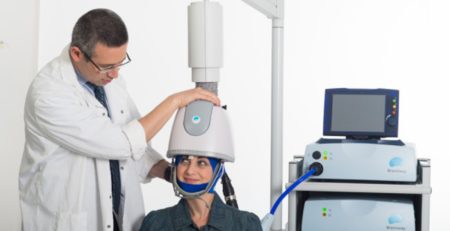
Deep TMS Therapy
A non-invasive treatment that uses magnetic stimulation to activate specific areas of the brain associated with mood regulation.
Ketamine Therapy
A breakthrough option for treatment-resistant depression, working rapidly to improve symptoms in some patients.
Spravato (Esketamine) Treatment
A clinically supervised nasal spray designed for individuals with severe depression who have not found relief with standard medications.
These advanced therapies are transforming mental health care by offering solutions where traditional methods fall short—giving patients renewed hope for recovery.
The Role of Structured and Intensive Care
In some cases, individuals may require more structured support, especially during periods of crisis or severe symptom escalation.
Higher levels of care can include:
- Intensive outpatient programs
- Partial hospitalization programs
- Short-term inpatient stabilization
These environments provide:
- Close monitoring
- Daily therapeutic interventions
- Multidisciplinary support teams
The primary goal of intensive care is stabilization—helping individuals regain control and safely transition back to everyday life.
A Team-Based Approach to Mental Health
One of the most important aspects of modern psychiatric care is collaboration.
Treatment is rarely handled by a single provider. Instead, a team may include:
- Psychiatrists
- Therapists
- Nurses
- Case managers
This multidisciplinary approach ensures that all aspects of a patient’s well-being are addressed—medical, emotional, and social.
Studies show that coordinated care leads to better outcomes because treatment plans are continuously reviewed and adjusted based on progress.
Personalized Care: Why Custom Treatment Plans Matter
No two individuals experience mental health challenges in the same way. That is why personalized treatment plans are essential.
A customized plan considers:
- The patient’s diagnosis
- Severity of symptoms
- Personal goals
- Lifestyle and responsibilities
- Response to previous treatments
This tailored approach increases the likelihood of success and ensures that care feels relevant and manageable.
Treating a Range of Mental Health Conditions
Comprehensive psychiatric services address a wide spectrum of conditions, including:
- Depression
- Anxiety disorders
- PTSD and trauma-related conditions
- Bipolar disorder
- ADHD
- OCD
- Mood disorders
Many individuals experience overlapping conditions, which is why integrated care is so important.
Treatment focuses not just on reducing symptoms, but on improving overall quality of life—helping patients feel more in control, more connected, and more hopeful.
The Importance of Accessibility and Local Care
Access to quality mental health care can significantly improve outcomes. For individuals across Kansas, having trusted providers nearby creates consistency and convenience in treatment.
Patients seeking care can explore services in:
- Lawrence, KS – Psychiatrist in Lawrence KS
- Topeka, KS – Psychiatrist in Topeka KS
- Overland Park, KS – Overland Park Psychiatrist
Local access allows for:
- Easier appointment scheduling
- Stronger provider-patient relationships
- Ongoing consistency in care
Mental health treatment works best when it is accessible, reliable, and integrated into a patient’s daily life.
What Patients Can Expect from Treatment
Starting mental health care can feel overwhelming, especially for those seeking help for the first time. Understanding what to expect can make the process more comfortable.
Typically, patients can expect:
- Initial Consultation – A detailed evaluation and discussion of concerns
- Diagnosis and Plan – A personalized treatment strategy
- Ongoing Sessions – Therapy, medication management, or both
- Progress Monitoring – Adjustments based on response to treatment
- Long-Term Support – Continued care to maintain stability and growth
The process is collaborative, not prescriptive. Patients are active participants in their care.
Breaking the Stigma Around Mental Health Care
Despite progress, stigma still prevents many people from seeking help. Mental health conditions are often misunderstood, leading individuals to delay treatment or try to manage symptoms alone.
The truth is:
- Mental health conditions are medical conditions
- Seeking help is a sign of strength, not weakness
- Early treatment often leads to better outcomes
Creating a culture where mental health is openly discussed and supported is essential for improving lives and communities.
Long-Term Wellness and Preventive Care
Mental health care does not end when symptoms improve. Long-term wellness involves maintaining progress and preventing relapse.
This may include:
- Continued therapy sessions
- Medication adjustments
- Lifestyle changes
- Stress management techniques
Preventative care helps individuals stay on track and navigate life’s challenges with greater resilience.
The Connection Between Mental and Physical Health
Mental health is deeply connected to physical health. Conditions such as anxiety and depression can impact sleep, energy levels, and even immune function.
Conversely, physical health issues can influence mental well-being.
Comprehensive care recognizes this connection and addresses both aspects simultaneously—creating a more complete and effective treatment experience.
Why Choosing the Right Provider Matters
Selecting a mental health provider is one of the most important decisions in the treatment process.
The right provider will:
- Listen without judgment
- Take time to understand your needs
- Offer evidence-based treatment options
- Adjust care as needed
A strong provider-patient relationship builds trust, which is essential for successful outcomes.
Moving Forward: Taking the First Step Toward Healing
The most difficult part of mental health treatment is often the first step. Reaching out for help requires courage—but it is also the beginning of meaningful change.
Whether someone is struggling with long-standing challenges or facing something new, support is available. With the right combination of care, guidance, and commitment, healing is possible.
can be the beginning of a more stable, balanced, and fulfilling life.
Final Thoughts
Mental health treatment is not about quick fixes—it is about building a sustainable path forward. Through personalized care, advanced treatment options, and compassionate support, individuals can regain control, rediscover hope, and create lasting change.
For those in Kansas communities like
- Lawrence, KS
- Topeka, KS
- Overland Park, KS
accessible, high-quality mental health care is within reach.
And sometimes, that first step—simply reaching out—is the one that changes everything.