
The Complete Guide to Depression Treatment Options
Understanding Depression and Why Treatment Matters
Depression is one of the most common mental health conditions in the United States, affecting millions of adults each year. While many individuals experience periods of sadness or emotional difficulty, clinical depression can significantly impact daily functioning, relationships, and overall quality of life.
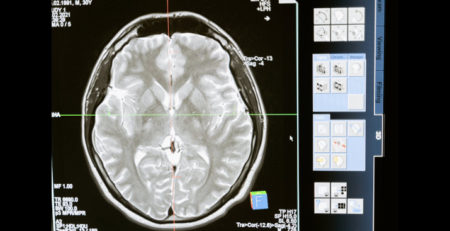
The good news is that many effective treatments are available today. From traditional antidepressant medications to innovative therapies such as ketamine infusion therapy and Deep Transcranial Magnetic Stimulation (Deep TMS), individuals struggling with depression now have more treatment options than ever before.
Understanding these options is an important first step toward finding relief and improving mental health.
Common Types of Depression
Several different forms of depression exist, and identifying the specific type can help guide treatment decisions.
Major Depressive Disorder
Major depressive disorder involves persistent symptoms such as sadness, loss of interest in activities, fatigue, and difficulty concentrating.
Persistent Depressive Disorder
Also known as dysthymia, this form of depression involves long-term symptoms that may last for years.
Treatment-Resistant Depression
Treatment-resistant depression occurs when individuals do not respond to multiple antidepressant medications.
Postpartum Depression
Some individuals experience depression following childbirth due to hormonal changes and emotional stress.
Traditional Depression Treatment Options
For many patients, treatment begins with traditional approaches.
Antidepressant Medications
Antidepressants are commonly prescribed to treat depression by affecting neurotransmitters such as serotonin and dopamine.
Common types include:
-
SSRIs
-
SNRIs
-
atypical antidepressants
-
tricyclic antidepressants
While these medications can be effective, some patients may experience side effects or limited improvement.
Psychotherapy for Depression
Therapy plays an important role in treating depression.
Common therapy types include:
Cognitive Behavioral Therapy (CBT)
CBT focuses on identifying and changing negative thought patterns.
Interpersonal Therapy
This therapy focuses on improving relationships and social functioning.
Psychodynamic Therapy
Psychodynamic therapy explores underlying emotional conflicts contributing to depression.
For many individuals, therapy combined with medication provides the best results.
New and Advanced Depression Treatments
For individuals who have not found relief through traditional approaches, several advanced treatment options are now available.
Ketamine Therapy
Ketamine therapy has gained significant attention as an innovative treatment for treatment-resistant depression.
Ketamine works by targeting the brain’s glutamate system, which plays an important role in neural communication and mood regulation.
Many patients experience improvements in symptoms more quickly than with traditional antidepressants.
Patients interested in learning more about this treatment can explore ketamine therapy in Kansas.
Spravato (Esketamine)
Spravato is an FDA-approved nasal spray treatment used for adults with treatment-resistant depression.
The medication contains esketamine, a derivative of ketamine that affects brain pathways associated with mood regulation.
Because Spravato is administered in certified treatment centers under medical supervision, patients receive close monitoring during treatment.
Patients considering this treatment can learn more about Spravato therapy in Kansas.
Deep TMS Therapy
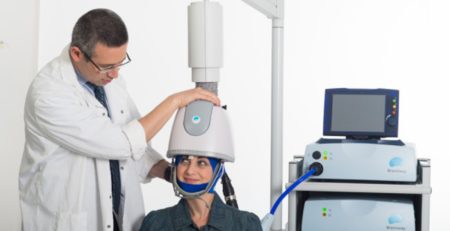
Deep Transcranial Magnetic Stimulation (Deep TMS) is a non-invasive treatment that uses magnetic pulses to stimulate brain areas involved in mood regulation.
Deep TMS therapy is FDA-cleared for treating major depressive disorder and obsessive-compulsive disorder.
Patients who have not responded to medications may benefit from Deep TMS therapy in Kansas.
Lifestyle Changes That Can Support Depression Treatment
While medical treatments are often necessary, lifestyle changes can also support mental health recovery.
Helpful strategies may include:
-
Regular exercise
-
Healthy sleep habits
-
Balanced nutrition
-
Stress management
-
Social support
-
mindfulness practices
These strategies can complement professional mental health treatment.
When to Seek Professional Help
Individuals experiencing persistent symptoms of depression should seek help from a qualified mental health professional.
Signs that professional treatment may be needed include:
-
Symptoms lasting more than two weeks
-
difficulty functioning at work or home
-
loss of interest in activities
-
thoughts of self-harm or suicide
Mental health professionals can evaluate symptoms and recommend appropriate treatment options.
Finding the Right Depression Treatment
Every individual’s experience with depression is unique, and the most effective treatment plan often involves a combination of approaches.
At Interpersonal Psychiatry, our providers offer a range of evidence-based and advanced treatment options designed to help patients overcome depression and improve their quality of life.
Treatment options include:
-
medication management
-
psychotherapy
-
ketamine therapy
-
Spravato treatment
-
Deep TMS therapy
Our clinics serve patients throughout Kansas, including Overland Park, Lawrence, and Topeka.
Schedule a Consultation for Depression Treatment
If you or someone you care about is struggling with depression, help is available.
Interpersonal Psychiatry provides comprehensive mental health care and advanced treatment options for individuals experiencing depression and other mental health conditions.
Contact our team today to schedule a consultation and learn more about available treatment options.